

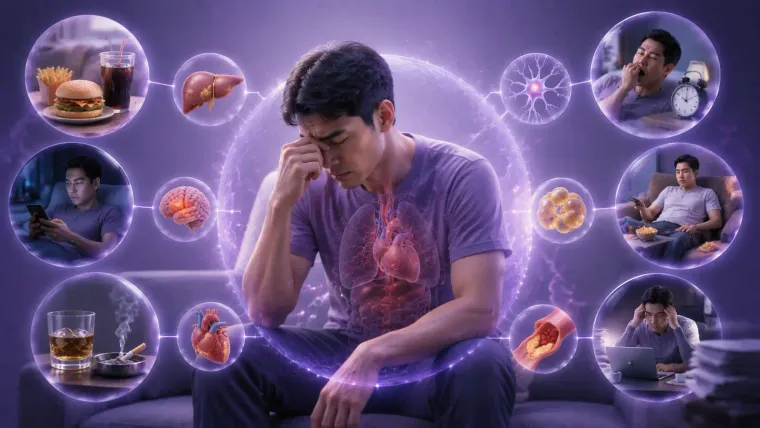
Many couples focus on evaluating female fertility factors when planning a pregnancy, while the contribution of male factors is often overlooked. Male sperm parameters are highly dynamic and extremely sensitive to daily habits. Certain modern lifestyle factors frequently and silently diminish sperm viability (the ability of sperm to survive and remain functional), motility, and the integrity of sperm genetic material without being noticed. This article discusses these risk factors based on clinical data.
The Connection Between Sleep Deprivation and Circadian Rhythm Disruption
An irregular sleep-wake cycle can disrupt the circadian rhythm — the body’s biological clock that automatically regulates various body functions following a 24-hour cycle, including hormone production. This rhythm controls the release of gonadotropins (hormones from the brain that stimulate the testicles to produce testosterone and sperm) and testosterone. Testosterone synthesis begins to rise during sleep and peaks around 8 AM.
Chronic sleep deprivation (duration of less than 7.5 hours per day) inhibits this normal testosterone production cycle. Furthermore, a lack of rest triggers a systemic inflammatory reaction — an inflammatory response that occurs throughout the body, not just in one area, which can damage developing cells including sperm. Men who get adequate sleep for 7.5–8 hours are reported to have significantly better sperm quality compared to those who frequently stay up late.
Excessive Heat Exposure and Scrotal Temperature
The testicles are located inside the scrotal sac outside the body cavity to keep their temperature cooler. Habits that trigger scrotal hyperthermia — an increase in temperature in the testicular area exceeding the optimal limit for sperm production — on an ongoing basis can halt sperm cell division. These risky habits include:
- Wearing Tight Pants: Presses the testicles against the body, thereby increasing local scrotal temperature.
- Prolonged Sitting Habits: Men who work in static sitting positions for hours without breaks experience a significant increase in scrotal temperature, which is also associated with an increase in the Sperm DNA Fragmentation Index (DFI) — an index that measures how much damage there is to the genetic material of sperm; the higher the number, the more damaged sperm there are.
- Exposure to Saunas or Hot Tubs: High water temperatures directly damage cells in the seminiferous tubules — small ducts inside the testicles where sperm are produced and matured.
The Adverse Effects of Smoking and Alcohol Consumption
Toxic substances in cigarettes such as nicotine, carbon monoxide, and heavy metals trigger the production of reactive oxygen species (ROS) — unstable molecules that in excessive amounts can excessively damage cells, including sperm in semen fluid. When ROS levels exceed the body’s ability to neutralize them, oxidative stress occurs — a condition where cell damage from free radicals surpasses the body’s natural protective abilities, which damages sperm cell membranes and breaks sperm DNA chains.
In men undergoing micro-TESE procedures, smoking habits are clinically proven to reduce the success rate of finding live sperm by 28.8% compared to non-smokers — a difference that is highly statistically significant.
Obesity and Hormonal Imbalance
Being overweight or obese not only reduces sperm motility and concentration but also disrupts the male hormonal balance. Excess fat (adipose) tissue produces the aromatase enzyme — an enzyme that converts the hormone testosterone into estrogen within the male body. As a result, men with obesity often experience secondary hypogonadism — a condition where testosterone levels are low not because of testicular damage, but because hormonal signals from the brain are disrupted due to excess body fat, which systematically interferes with the formation of healthy sperm.
Lifestyle Recovery Recommendations
The sperm regeneration cycle takes about 2–3 months. Therefore, men are advised to adopt new habits at least 90 days before planning a pregnancy program:
- Maintain a consistent sleep duration of 7–8 hours, and avoid exposure to blue light from gadgets at least 30 minutes before sleep.
- Wear loose underwear (boxers) and stand up to stretch every 60 minutes while working.
- Completely stop smoking and alcohol consumption.
References
• Fiona, A. (2024). Impact of Sleep Deprivation and Circadian Disruptions on Male Fertility Parameters. Bocah Indonesia Medical Journal.
• Zhang, Y., et al. (2021). The Association of Smoking and Oxidative Stress on Sperm DNA Fragmentation Indices. Journal of Andrology.
• World Health Organization. (2021). Lifestyle and Male Reproductive Health Outcomes. Geneva: WHO.
Disclaimer: This information is for educational purposes and does not replace a doctor’s evaluation. Diagnostic and therapeutic decisions should be tailored to your and your partner’s examination results.